
Luxury Shoppers are Evolving, and Luxury Brands Have to Progress with Them
What luxury is first? It is naturally a very personal perception. For BranDNA’S, luxury products are a promise. A promise that the product you buy from Brand X or Y is of the highest esteem, based on its timeless, elegant design and the high quality. It’s a promise that you will still love the product in 10, 20 or 30 years, like in many times where you received a luxury product as a gift, you still will appreciate and love the person who gave it to you to show how much this person respects, appreciate or loves you. Sustainable value, highest quality, and creativity make luxury products elegant and refined objects, which enrich the individual style of customers. A luxury product is a lifetime companion that is worthy to be handed down to the next generation.
As a new generation of shoppers (Gen Z) continues to shop luxury brands, and many global shoppers will look across borders to get the product they’re looking for, even Online… In the meantime, luxury brands must be ready to adapt and deliver.
It is understandable why luxury brands have been hesitant to move online. Yet, with print and display advertising returns decreasing, and luxury shoppers spending more time online and on mobile devices, luxury brands need to not only adapt to survive in the digital universe, but to thrive also.
Understanding how to win luxury shoppers online means understanding what compels an online shopper to make a luxury purchase.
As luxury brands consider how to win over shoppers in 2019, these two areas become instrumental in their digital success. First, brands must consider what their customer journey looks like, as well as what customers will discover during that journey. Brands will want to work with the right channels to ensure they’re at every step of the journey, such as partnering with influencers to have an authentic and transparent look at some of the brand’s products and styles. Second, luxury brands will want to consider what messages they’re able to communicate that’s both realistic and important to their customers. Shoppers want to celebrate their personal successes with a “treat yourself” present, and younger shoppers want to know that the brands they shop have a positive influence in the world. Luxury brands will need to understand what the values of these shoppers are and why they shop luxury brands in 2019 in order to craft meaningful and engaging touchpoints that embrace, not repel, their audience’s needs and wants.
Where are luxury shoppers purchasing products?

After all the work of connecting with a luxury shopper and remaining active and engaged during their path-to-purchase, luxury brands must know where shoppers are making their luxury purchases – and why.
For luxury brands looking to consider what 2019 will bring, purchasing channels should be high on that list. The data from eMarketer illustrates some critical areas of focus, but brands can’t overlook the reasons behind why those areas are crucial – doubly-so if they’re looking to reach overseas consumers. The best starting point for luxury brands is to look at where their shoppers are located, as well as how they prefer to shop. One thing luxury brand should consider is how online channels might drive in-store shopping due to the preferences their customers have. When possible, try to bridge that gap between online and physical stores in a smooth and meaningful way.
BranDNA’S have noticed a lot over the past years around the do’s and don’ts of luxury online marketing such as Louis Vuitton, Chanel, Gucci… with their digital presence.
In this post, we want to touch on 10 tips and lessons to help luxury brands use digital marketing effectively:
How to Motivate Luxury Shoppers to Spend More And More Frequently?
1. Take advantage of visual social networks
When marketing luxury products, photographs are one of the best mediums for evoking the aspirational emotions that we connect with driving a luxury vehicle, wearing designer clothing, or experiencing something exclusive.
As such, visual social networks like Pinterest represent a huge opportunity for luxury brands to raise brand awareness and advocacy.
In fact, Chanel is one of the most ‘pinned’ brands on the social network, with over 1,244 pins of Chanel products pinned on the social network per day on average. This is made even more impressive when you consider that Chanel does not even have an account on Pinterest (it’s all driven by their advocates).
A luxury brand that we came across who do an exceptional job of marketing themselves on Pinterest is Valentino. Their Pinterest profile is aspirational, educational, and strikes a great balance between not being too promotional, yet still raising awareness of Valentino’s products.
2. Build a website that combines style, user experience, and functionality
Generally speaking, luxury brand websites are very stylish but perform poorly when it comes to user experience and functionality.
The Chanel website has nice colors and visuals, the design is so unintuitive that it’s almost impossible to find what you’re looking for, let alone buy anything.
While we appreciate the need for stylistic design, luxury brands need to invest in websites that are also intuitive and well-designed from a user experience perspective.
Versace is a great example of what luxury brands should be doing with their websites. The website is visually stunning, while very easy to use, and highly functional.
3. Use brand heritage to tell the stories behind products
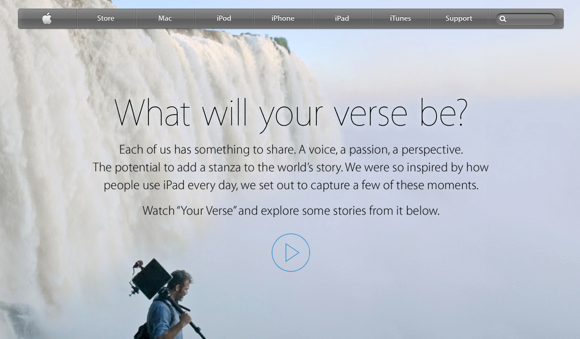
Take Apple for example. Here’s a paraphrased excerpt of how apple communicates with its customers:
“Everything we do, we believe in challenging the status quo. We believe in thinking differently (why Apple exists). The way we challenge the status quo is by making our products beautifully designed, simple to use and user-friendly (How Apple achieve their why). We just happen to make great computers (What Apple do).”
Communicating the story behind your products, and explaining the values that define a luxury brand, is fundamental to effective luxury marketing.
Aston Martin does a great job telling the story of their brand heritage on all of their product pages and digital content.
By explaining that your brand represents an assurance of luxury, quality, performance, style, or whatever value you stand by, you will find it easier generating advocacy for your brand online.
4. Use Facebook Ads to reach luxury shoppers
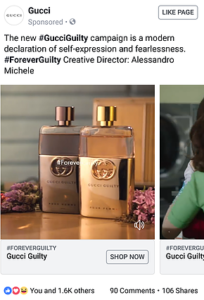
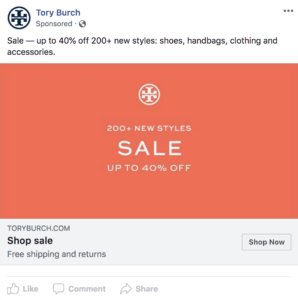
Facebook Ads are one of the most effective forms of online advertising, thanks to the high level of segmentation and targeting that you can do.
You could, for example, target ads specifically to married 35-year-old males from Paris who like the brands Tory Burch, Gucci, and Versace. You can even go one step further and target people by what college they attend, where they work, what their job title is, what music they listen to, and much more.
5. Don’t underestimate the value of good SEO
Google is one of the most influential channels when it comes to helping luxury shoppers find products, learn more about brands, and make their purchase.
As we’ve already alluded to, some luxury brands have pretty poor websites. Unsurprisingly, most of those websites also have extremely bad SEO, making it difficult for their websites to rank well in Google for search terms that would otherwise capture potential customers.
SEO is an untapped goldmine for luxury brands. If your site isn’t SEO-friendly, you’re likely to be leaving a lot of potential traffic and revenue on the table.
6. Create aspirational content to educate customers
By focusing on long-form visual content, you can generate a lot of social shares, and a huge amount of SEO traffic. While common in many other niches, content marketing is massively underused and enormously effective for luxury brands.
7. Supply content that appeals to people’s desire to display their status
Charities, for example, are one of the most liked categories of pages on Facebook. While some of this can be explained by altruism, it’s been found that the main driver for liking a charity on Facebook is to show others that you’re charitable.
Because one of the primary motivations for buying luxury goods is to display status, brands can take advantage of this by creating and publishing content that, when others share, will make them look stylish, smart, or cool to their friends.
8. Create a sense of exclusivity online
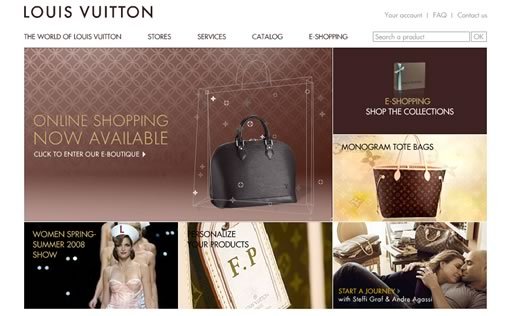
Exclusivity is fundamental to luxury brand marketing as it maintains consumer desire through scarcity and rarity. If anyone could walk into Louis Vuitton and buy a handbag, Louis Vuitton would lose their appeal to those who wish to have something that others can’t get access to.
Given the Internet’s accessibility and autonomy, many luxury brands worry about losing their sense of exclusivity when it comes to going online. This, however, is flawed logic.
For luxury brands, the Internet does not represent wider distribution of actual products. It’s a wider distribution of the content that evokes the desire to buy luxury products.
Exclusivity can be created online through private member groups, concierge services, or digitally-delivered loyalty perks that are reserved specifically for previous customers.
9. Never stop building your list
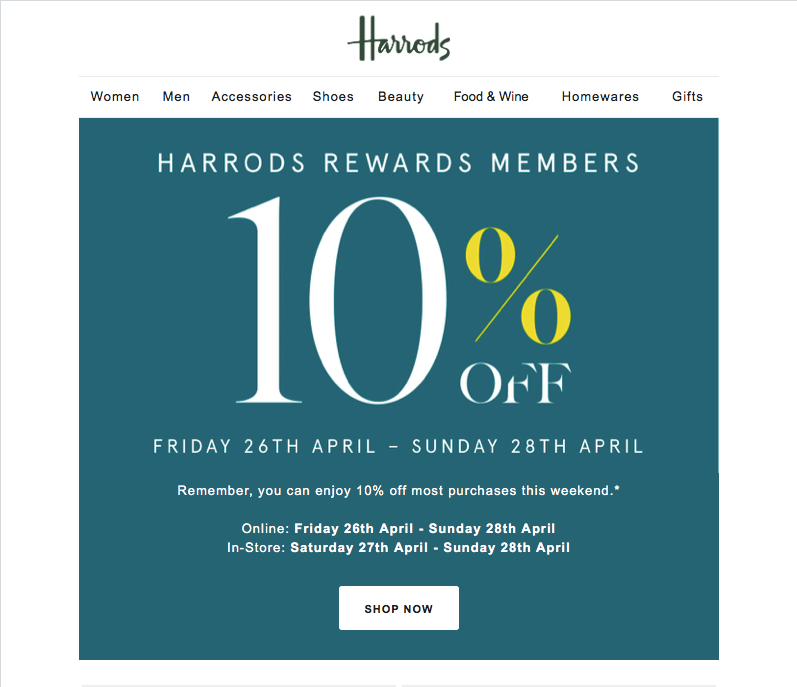
Email marketing is extremely effective for eCommerce marketing and increasing customer loyalty, as it provides the opportunity to educate consumers and tell them about new experiences or products offered by the brand.
Harrods do an exceptional job with their email marketing campaigns and are well worth subscribing to for email campaign inspiration.
10. Take the in-store experience online, and the online experience in-store
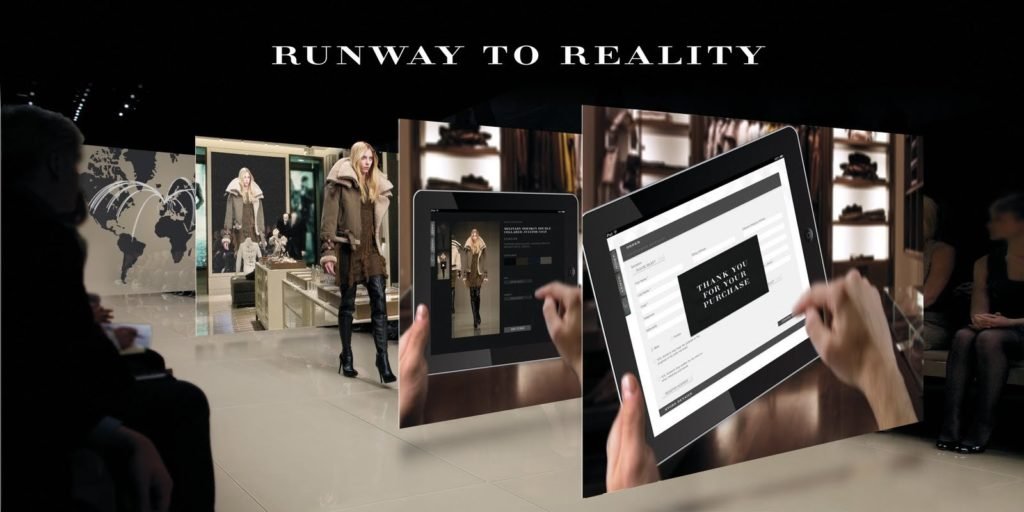
In the near future, talking about online and offline will be like talking about the benefits of our left leg vs. our right leg. Both are integral to the other.
One luxury brand who is leading the way in combining the in-store and online experience is Burberry.
It seems that every few months Burberry is running a new online brand-awareness campaign, driving luxury shoppers into their stores. Once those customers are in the stores, they’re encouraged to take pictures, share content, watch live streams, and use in-store iPads.